
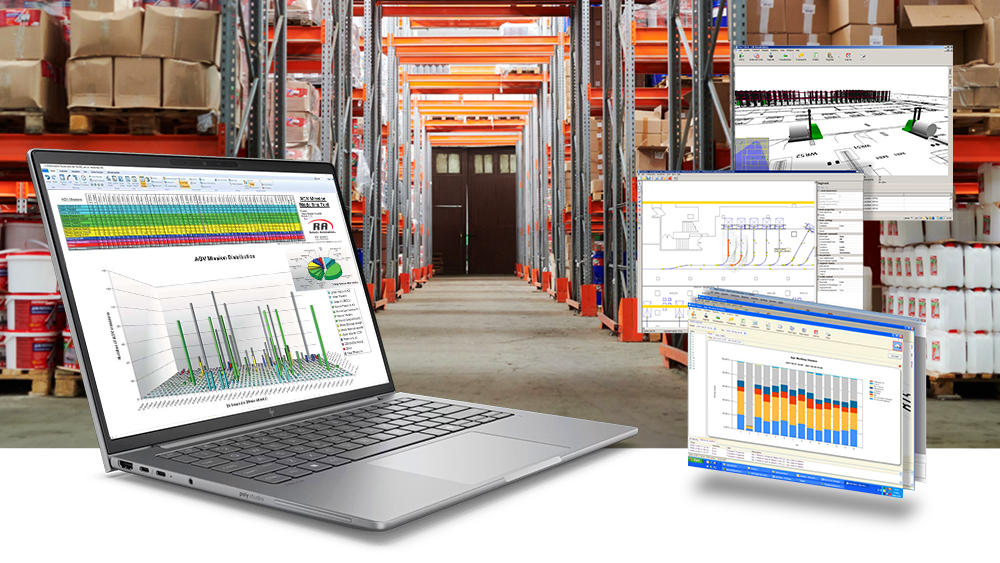
Manufacturing Automation Feasibility Study
A manufacturing automation feasibility study helps manufacturers identify opportunities to improve productivity, increase capacity, reduce labour dependency and streamline operations before investing in new equipment or technology. Rather than starting with a specific solution, a manufacturing automation feasibility study focuses on understanding your business challenges and determining the most effective path forward.
Many Australian manufacturers know they need to improve efficiency, reduce costs or increase output, but deciding where to invest can be difficult. Should you focus on production processes, warehouse operations, material handling, quality control or broader business systems? Without a clear understanding of the problem, it’s easy to invest in the wrong solution.
That’s why a feasibility study is often the best first step.
At the same time, the NSW Government’s Innovative Manufacturing Adoption Fund (Stage 1) is providing grants of between $10,000 and $50,000 to help eligible manufacturers investigate new technologies, processes and systems through feasibility studies, pilot projects and early-stage testing. The program is designed to help businesses make informed decisions before making larger investments.
What Is a Manufacturing Automation Feasibility Study?
A manufacturing automation feasibility study is a structured assessment of your current operation, designed to identify improvement opportunities and evaluate potential solutions.
Rather than promoting a particular technology, the study begins with your business objectives. These might include:
- Increasing production output
- Improving operational efficiency
- Reducing labour shortages and workforce pressures
- Improving workplace safety
- Eliminating bottlenecks
- Increasing product quality and consistency
- Supporting future growth
The result is a clear understanding of where productivity losses occur, what improvements are achievable and which solutions are likely to deliver the strongest return on investment.
Common Challenges a Feasibility Study Can Solve
Every manufacturing operation is different, but there are several common challenges that a manufacturing automation feasibility study can help investigate.
Production Efficiency
Many manufacturers experience bottlenecks, excessive downtime, manual processes and inconsistent production performance. A feasibility study can identify opportunities to streamline workflows and improve throughput.
Warehouse and Material Handling
As labour costs continue to rise, many businesses are looking for more efficient ways to move, store and manage inventory. A study can assess warehouse operations, material flows and dispatch processes to identify opportunities for improvement.
Labour and Skills Shortages
Recruiting and retaining skilled workers remains an ongoing challenge across Australian manufacturing. A feasibility study can identify repetitive, labour-intensive tasks and explore practical ways to reduce dependency on scarce resources.
Quality and Compliance
Manufacturers may also investigate opportunities to improve product quality, reduce rework, enhance traceability and strengthen compliance processes.
End-to-End Operational Performance
Rather than focusing on a single department, some businesses choose to assess their entire operation. This approach often uncovers opportunities across production, logistics, warehousing and quality systems, creating a roadmap for long-term improvement.
Why Start With a Feasibility Study?
One of the biggest mistakes manufacturers make is trying to select a solution before clearly defining the problem.
A manufacturing automation feasibility study provides an evidence-based assessment of your operation and helps answer critical questions:
- Where are we losing productivity?
- What processes create bottlenecks?
- Which areas should be prioritised?
- What level of improvement is achievable?
- What risks need to be managed?
- What return on investment can be expected?
The recommended solution may involve process improvements, workflow redesign, software systems, material handling improvements or advanced automation technologies. The key is that the solution is selected based on business needs, not assumptions.
Funding Available for Eligible NSW Manufacturers
The NSW Government’s Innovative Manufacturing Adoption Fund Stage 1 supports feasibility studies, pilot projects, process testing and business case development. Funding is available from $10,000 to $50,000 to help eligible manufacturers investigate opportunities before making larger investments.
The program aims to help manufacturers:
- Improve productivity and efficiency
- Strengthen advanced manufacturing capability
- Improve competitiveness
- Support business growth
- Make informed investment decisions
For many businesses, this funding can help reduce the risk of exploring potential improvements while building a strong business case for future investment.
How Robotic Automation™ Can Help
Robotic Automation™ works with manufacturers across Australia to identify opportunities for operational improvement and develop practical implementation roadmaps.
Our approach is simple: understand the business challenge first, then identify the most effective solution.
Through a manufacturing automation feasibility study, we help manufacturers uncover improvement opportunities, evaluate potential returns and develop a clear pathway for implementation. Whether your objective is increased productivity, improved warehouse efficiency, reduced labour dependency or long-term growth, the study provides the insights needed to make informed decisions with confidence.
Interested in exploring opportunities to improve productivity and efficiency? Contact Robotic Automation™ to discuss how a manufacturing automation feasibility study could help identify the best path forward for your business.